The tinkering metal-on-metal sound of a lock key being turned as it rattles over the ratchet mechanism is unmistakable. There is a mechanical strain to the sound like the winding of an enormous clock. If you happen to be where there are a series of canal locks on a summer’s day you will see people from all walks of life winding the lock key, pushing on the long square logs which form the gate at the top of the paddles below the water. I like to listen as well as watch as the person steering the long boat communicates with the one on the tow path who opens and closes the lock gates. Communication is important. If the water rises or falls when the boat is inadvertently caught on the gate or resting on the shelf below the gate the boat can tilt or even capsize.
As you watch and listen to the banter coming from the canal boat travellers, despite the odd moment of stress, there is a peace or slower pace than normal travel. I’m guessing pretty early on they have to work out who’s taking the lead, calling the shots. Not always, but often, I notice it’s the men on the boat steering and the woman on the bank doing all the work. I loved to watch the TV programme Great Canal Journeys, a series with Timothy West and Prunella Scales. They are a husband and wife team with a passion for and a life time of being on the canals. They inspire and delight us with their canal escapades. Locks are always fun and occasionally this loving mature articulate couple have moments of conflict, but always seasoned with grace and kindness.
Until recently I had no idea the humble but very effective and familiar v shaped mitre lock was one of Leonardo da Vinci’s inventions and one of, it is said, his most enduring achievements. Without locks it would be impossible to get around the country by barge.
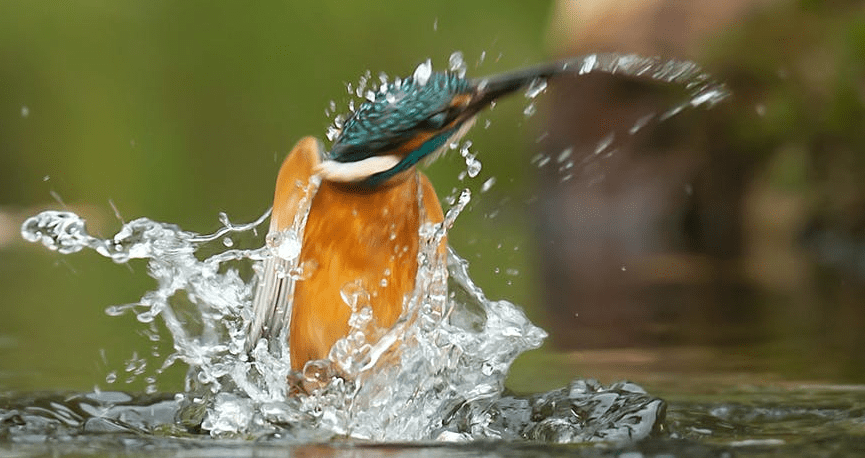
Travelling by motorway from Nantwich to Birmingham it takes just under two hours on a good day. That journey is unpleasant, stressful and leaves me feeling that life is not fun. You can’t take your eyes of the lorries and cars, signs and hazards and very little looks remarkable. This same journey by canal boat could take a week and instead of 60 or 70 miles an hour it’s 4 or 5. Yet somehow we know that the pace, feel and sounds along the way would refresh us. If you walk up or down stream of a canal lock or river immediately birds, water and foliage take over your sight. On the water you get to parts of the canal or river where the banks carry no footpath and the route is lined with whatever nature has decided to display. With eyes peeled you see a badger or barn owl at night whilst moored up. Through the day and moving at speed you catch sight of a colourful dragonfly, a tiny kingfisher or the shadow of a passing heron.
I know which way I would prefer to travel, although I also know it’s not that easy to take a boat or walk 70 miles. It got me thinking about the whole of life’s journey. We so often move too fast, take a route that is less stimulating and full of hazards. We can be in a hurry when maybe there is an alternative route. Have you noticed that car travel is often with the radio on and the conversation is inhibited by navigating the road and concentrating on the hazards? Yet when we walk or use a barge to travel the slower pace transforms our language often making it richer and the pauses longer.
It might not be so, but I often think of my first river walk after this life as being described in Revelation 22:2. John, the writer, says an ‘Angel showed him the river of the water of life, as clear as crystal, flowing from the throne of God and of the Lamb.’ He goes on with a description of ‘…The great street of the city. On each side of the river stood the tree of life, bearing twelve crops of fruit, yielding its fruit every month. And the leaves of the tree are for the healing of the nations.’
Maybe next time you walk along a canal, river or country path you could think of that heavenly walk? Enjoy.

 Rob Wykes